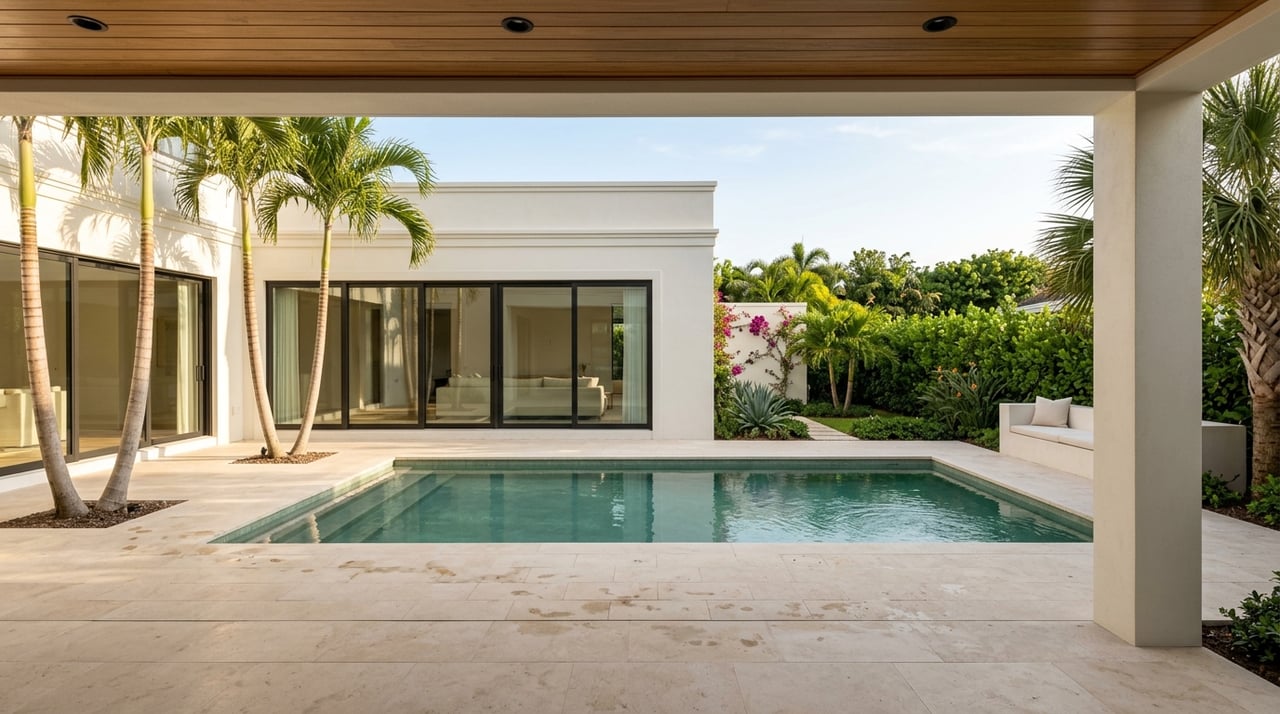
If you want a Boca Raton getaway, the hard part is rarely deciding whether to buy. It is deciding which kind of seasonal home actually fits the way you plan to live. Your ideal property may look very different if you want easy lock-and-leave ownership, flexible rental options, or direct water access. Let’s dive in.
Why Boca Raton Works for Seasonal Living
Boca Raton has the kind of built-in lifestyle that makes part-time ownership appealing. The city describes itself as a major regional destination, with downtown attractions, beaches, parks, and shopping drawing both residents and visitors throughout the year.
That mix matters when you are buying a seasonal home. You are not just choosing a property. You are choosing how easily you can enjoy your time here, whether that means walking to dining and culture, spending days near the water, or having a more private residential setting.
Boca also offers several distinct ownership experiences within a relatively compact city. Downtown living, gated single-family neighborhoods, and waterfront enclaves can each support seasonal use, but they come with very different maintenance needs, governing rules, and storm-related considerations.
Start With Your Seasonal Goals
Before you compare listings, define how you want the home to function. A seasonal property can be a simple personal retreat, a part-time residence with occasional leasing, or a long-term asset that needs professional oversight while you are away.
A few questions can help narrow the field:
- Do you want true lock-and-leave convenience?
- Do you plan to rent the property when you are not using it?
- How much maintenance do you want to manage from out of state?
- Is boating or water access a priority?
- Would you rather be near downtown activity or in a quieter residential setting?
Your answers will often point you toward one property type faster than price or finishes alone.
Compare Boca’s Main Seasonal Home Options
Downtown Condos
For many seasonal buyers, a downtown condo is the clearest fit. Boca’s downtown is anchored by Mizner Park, which the city describes as a 30-acre mixed-use urban village with residential, retail, office, park, and cultural uses.
That setting often works well if you want an amenity-rich home base with fewer day-to-day errands. You may be able to enjoy a more walkable routine and a more centralized ownership structure than you would in a detached home.
From a maintenance standpoint, condos are usually the easiest lock-and-leave option. Florida condo law assigns common-element maintenance and repair responsibilities to the association, and it gives the association access when needed for maintenance or to prevent damage.
The tradeoff is rules. Condo ownership is highly document-driven, and rental flexibility can vary widely from one building to the next. Under Florida law, condo amendments can prohibit rentals, change lease durations, or limit how often rentals are allowed, with application depending on owner consent and timing of purchase.
Gated Single-Family Communities
If you want more privacy and a more traditional residential feel, a gated single-family community may be the better match. These neighborhoods often appeal to seasonal buyers who want more separation than a condo tower offers while still benefiting from community standards and shared amenities.
This option can feel more personal and spacious, but it usually requires more owner oversight. Unlike a condo, a detached home generally leaves more of the day-to-day monitoring, maintenance coordination, and vendor management to you or your representatives.
Rental flexibility also depends on the governing documents. Florida HOA law allows associations to amend their governing documents to regulate rentals shorter than six months and to prohibit renting a parcel more than three times in a calendar year.
That means the neighborhood label alone does not tell you enough. One gated community may suit part-year rental plans, while another may work best for personal use only.
Waterfront Enclaves
If your priority is boating, canal frontage, or a more exclusive coastal setting, waterfront ownership may be the natural choice. Boca highlights its Atlantic frontage, inlet access, 77.18 miles of canals and lakes, and boating-related facilities, all of which shape the city’s appeal for seasonal owners.
The lifestyle upside is clear. Waterfront homes can offer direct access to the features that make Boca feel like Boca. For some buyers, that access is the entire point of owning here.
The added diligence is just as important. The city notes that a large portion of Boca Raton lies in FEMA special flood hazard areas and encourages owners to review flood risk and consider flood insurance whether or not a property is inside an SFHA.
If you plan to use the home intermittently, storm readiness matters even more. Boca also notes that Atlantic hurricane season runs from June 1 to November 30, and properties near the beach or Intracoastal Waterway face higher storm-surge risk.
Which Option Is Best for Lock-and-Leave Ownership?
If your top priority is simplicity, condos usually lead the list. The association’s role in maintaining common elements can reduce how much you need to coordinate while you are away, which is especially appealing for buyers who split time between states.
A gated single-family home can still work well, but it often depends on having a clear plan for property oversight. That may include routine checks, vendor scheduling, and maintenance coordination during vacancy periods.
Waterfront homes can be excellent seasonal properties for the right owner, but they generally require the most active stewardship. Exposure to flood and storm risk can increase the need for preparation, monitoring, and recovery planning.
Why Rental Rules Need a Closer Look
One of the most common mistakes seasonal buyers make is assuming they can rent a property in the future if they choose. In Boca, rental flexibility is often determined by the condo declaration, HOA documents, and any later amendments.
In condos, restrictions may address whether rentals are allowed at all, how long a lease must be, or how often an owner can lease the unit. In HOA communities, amendments may regulate shorter rentals and how many times a home can be rented during the year.
This is why two similar properties can operate very differently in practice. If rental income or occasional leasing matters to you, document review should happen early, not after you are emotionally committed.
Documents You Should Review Before Buying
Florida law makes many association records official records, and those materials can tell you a great deal about how a seasonal home will actually function. A careful review can help you avoid surprises around leasing, maintenance obligations, insurance, and governance.
At a minimum, seasonal buyers should review:
- Declaration
- Bylaws
- Current rules and regulations
- Insurance policies
- Management agreement
- Accounting records
These documents are especially important in condos, where the ownership structure is more centralized. They are just as important in gated communities, where rental rules and owner obligations can shape whether the property fits your plan.
Flood, Hurricane, and Vacancy Planning
In Boca Raton, seasonal-home decisions should include a realistic look at weather exposure. The city encourages owners to know their flood zone, review current flood map information, and consider flood insurance even outside a special flood hazard area.
For part-time owners, the real issue is not just insurance. It is how much time and attention you want to devote to storm prep and post-storm follow-up while the property may be vacant.
This is especially relevant for waterfront and coastal homes. Boca’s evacuation guidance notes that barrier-island residents may be urged to evacuate because storm-related power loss can affect elevators, lighting, air conditioning, and water service.
If you want a home that requires less oversight, that may push you toward a more managed ownership structure. If you prefer a waterfront residence, you may want a stronger plan for ongoing stewardship while you are away.
Understand Homestead Expectations
Seasonal buyers should also be careful about property tax assumptions. Palm Beach County states that the homestead exemption is for a permanent Florida residence, with applications due by March 1 for the year the benefit is claimed.
In simple terms, you should not assume a Boca seasonal home qualifies for homestead treatment just because you own in Florida part time. If tax treatment is part of your planning, confirm the details with a qualified professional before you buy.
A Smart Way to Choose
The best seasonal home in Boca Raton is not the one with the flashiest finishes or the closest beach access on paper. It is the one that matches your real ownership style, your appetite for oversight, and your plans for use over time.
If you want convenience and a lower-maintenance setup, a condo may be the strongest fit. If you value privacy and a more residential feel, a gated single-family home may strike the right balance. If your lifestyle revolves around water access, a waterfront property may be worth the extra diligence and planning.
For many buyers, the smartest move is to treat this as both a lifestyle decision and an operational one. When you weigh property type, governing documents, flood and storm factors, and long-term management needs together, your choice becomes much clearer.
If you are weighing condo, gated, or waterfront options in Boca Raton, working with an advisor who understands luxury seasonal ownership, document review, and absentee-owner planning can make the process far more efficient. To explore the right fit for your goals, connect with Stephanie Schwed.
FAQs
What type of Boca Raton property is best for lock-and-leave seasonal ownership?
- In most cases, a condo is the easiest lock-and-leave option because the association handles common-element maintenance and repairs under Florida condo law.
How do rental rules work for Boca Raton seasonal homes?
- Rental flexibility depends on the condo or HOA governing documents, and restrictions may cover minimum lease terms, how often you can rent, or whether rentals are allowed at all.
Why do Boca Raton waterfront homes need extra review?
- Waterfront properties can offer excellent lifestyle access, but Boca says a large portion of the city lies in FEMA special flood hazard areas and encourages owners to review flood risk and consider flood insurance.
Can a seasonal home in Boca Raton qualify for homestead exemption?
- Palm Beach County says homestead exemption is for a permanent Florida residence, so seasonal owners should not assume a second home qualifies.
What documents should you review before buying in a Boca Raton condo or HOA community?
- You should review the declaration, bylaws, current rules, insurance policies, management agreement, and accounting records to understand ownership obligations and rental limits.