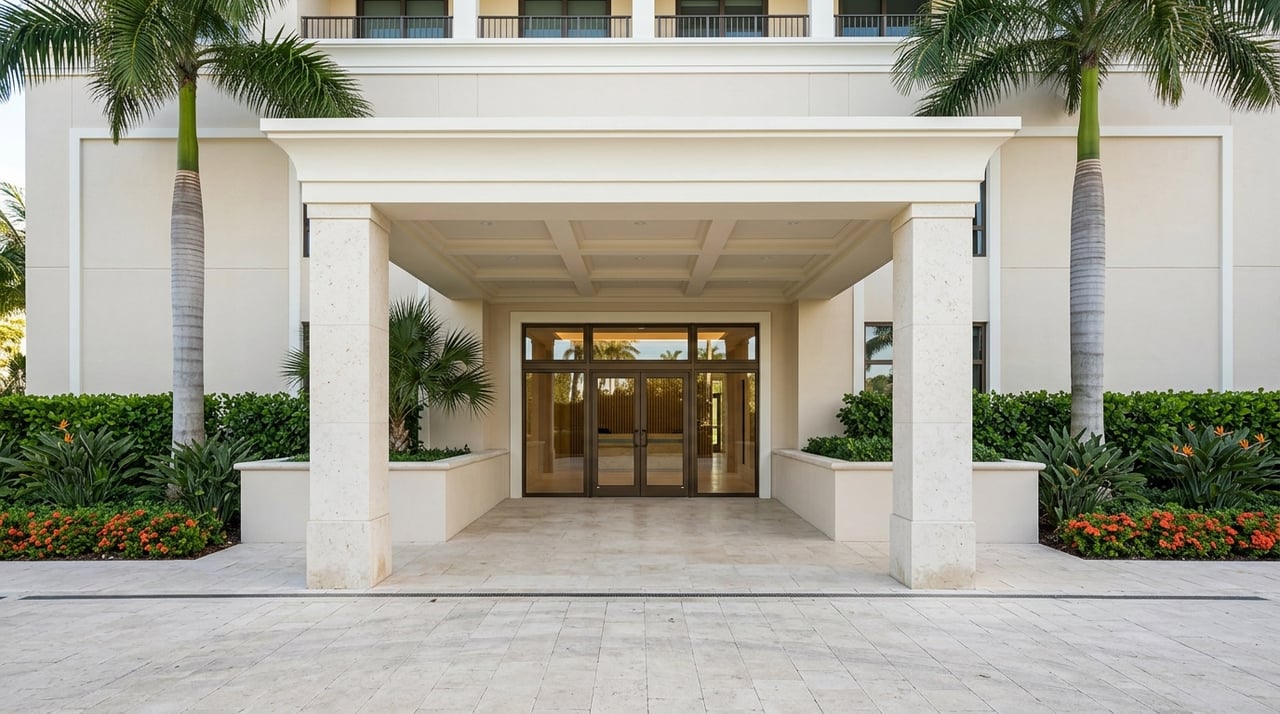
Buying a luxury condo in West Palm Beach can feel seamless on the surface, but the real story is often hidden in association records, inspection reports, and city files. If you are purchasing a waterfront or downtown unit, you are not just buying views and amenities. You are also stepping into a building’s financial health, maintenance history, rules, and flood exposure. A smart due diligence process helps you protect both your lifestyle and your investment. Let’s dive in.
Why due diligence matters in West Palm Beach
Luxury condo purchases in West Palm Beach come with layers that go beyond the unit itself. Your monthly costs, renovation flexibility, future assessments, and even closing timelines can be shaped by association disclosures and building condition.
Florida law gives condo buyers important disclosure rights, and those rules set the pace for a careful review. For a resale condo, the seller must provide core association documents, recent financials, and, when applicable, milestone inspection and structural integrity reserve study materials. That means your diligence should start with documents, not finishes.
Start with the condo disclosure package
Your first step is to review the full disclosure package with care. In Florida, that package can include the declaration, articles of incorporation, bylaws, rules, the most recent annual financial statement, and the annual budget.
If the building has milestone inspection or structural reserve study materials, those should be reviewed just as closely. Florida law also creates a 7-day voidability period for the standard condo disclosure package, plus a 15-day voidability or closing-extension framework when milestone or SIRS materials are delivered. In practical terms, timing matters, and so does receiving complete information early.
Focus on how the building is actually run
The formal documents tell you what the association says it does. The official records often tell you how the building is actually operating day to day.
Florida law requires associations to maintain records such as governing documents, meeting minutes, current rules, insurance policies, management agreements, accounting records, permits, question-and-answer sheets, and inspection reports. Owners may inspect and copy those records, and the association must make them available within 10 working days after a written request.
Watch for red flags in the records
As you review the file, pay attention to recurring repair issues, discussions about deferred maintenance, or references to upcoming capital projects. Minutes and inspection records can reveal concerns that are not obvious during a showing.
You should also look for changes in rules, management turnover, and signs of financial strain. A polished lobby does not always tell you what is happening behind the scenes.
Review the budget beyond the monthly fee
A luxury condo’s monthly dues are only part of the ownership picture. You also want to understand reserves, special assessments, and whether the association is funding long-term needs responsibly.
Florida law requires a structural integrity reserve study for buildings three habitable stories or higher at least every 10 years. Existing unit-owner-controlled associations had to complete one by December 31, 2025, and in some cases tied to milestone inspection timing, no later than December 31, 2026.
Understand what the reserve study covers
The reserve study is meant to address major building systems and components. It must cover items such as the roof, structure, fire protection, plumbing, electrical systems, waterproofing and exterior painting, and windows and exterior doors, along with other qualifying deferred-maintenance items.
For a buyer, this study can be one of the clearest windows into future costs. If reserves are thin or major repairs are looming, your carrying costs may change significantly after closing.
Ask direct questions about assessments and funding
When reviewing financial materials, ask whether reserves have been waived, paused, pooled, or redirected. Also ask whether the association is relying on a special assessment, line of credit, or loan.
Those details matter because they can affect both affordability and risk. A low monthly fee may look attractive at first, but it may not reflect the building’s true future obligations.
Verify the unit ledger before closing
Florida law makes unit owners liable for assessments that come due during ownership, and associations have lien rights for unpaid assessments. The records file should include a current account statement for each unit.
Before you close, verify the unit ledger and any collection history. This is a simple step that can help you avoid inheriting an avoidable problem.
Confirm building condition and inspection timing
In West Palm Beach, building condition deserves close attention, especially for waterfront properties. Salt-air exposure can affect maintenance timelines, and Florida law allows local enforcement agencies to require milestone inspections at 25 years instead of 30 when proximity to salt water makes that appropriate.
That means you should confirm the building’s actual milestone schedule rather than assuming standard timing. For waterfront luxury buyers, this is a core diligence question, not a minor detail.
Review permits and renovation history
The City of West Palm Beach Building Division says Citizen Connect can be used to look up existing plans, permits, inspections, and code enforcement cases by address. The city also explains that buyers can request permit history and certificate of occupancy information and get help with open or expired permits.
This matters because prior work inside a unit or within the building may still have unresolved permit issues. The city warns that the current owner may remain responsible for permit problems even if the work was completed before purchase.
Check for CO and TCO support
If the unit or building has had renovations, ask for certificate of occupancy or temporary certificate of occupancy paperwork where relevant. The city’s checklist makes clear that final inspections, approved as-builts, and other completion items must be satisfied before a CO is issued.
In plain terms, you want proof that past work was properly permitted and properly closed. This is especially important in luxury condos where custom interiors and system upgrades are common.
Do not skip municipal lien and code checks
A clean title report is important, but it should not be your only property-level check. West Palm Beach provides a city lien search that gives electronic access to the city’s interests against real property, including utilities, code violations, and receivables.
These reports are commonly requested in real estate transactions for a reason. A municipal lien or unresolved code matter can create issues that do not fully show up in your general transaction file.
Clarify insurance and flood exposure early
Insurance for condos is often misunderstood, especially in coastal markets. Under Florida condo law, the association’s master policy generally covers the structure and common elements, while the unit owner policy typically covers personal property and many interior finishes and fixtures.
Associations may also carry flood insurance for common elements, association property, and units. You should confirm exactly what the building insures and what coverage you will need to place personally.
West Palm Beach flood risk deserves a dedicated review
Flood diligence should be a separate, focused part of your file. The City of West Palm Beach notes that standard homeowners insurance typically does not cover flood, and it also notes that properties outside the special flood hazard area can still flood.
The city points buyers and owners to tools that identify whether a parcel is in an Otherwise Protected Area, along with base flood elevation, design flood elevation, and FEMA flood map information. For downtown and waterfront condo buyers, flood verification is not optional.
Factor in timing and possible savings
West Palm Beach is a CRS Class 5 community, which means policies issued in the city may qualify for a 25 percent discount through the National Flood Insurance Program. At the same time, flood insurance commonly has a 30-day waiting period.
That combination means you should price coverage early and avoid leaving it to the last minute. Insurance cost, timing, and scope should sit alongside your budget review, not after it.
Read the rules for lifestyle fit
Luxury condo friction often shows up in the rules, not in the listing. The governing documents and official records are the right place to check for rental limits, pet restrictions, renovation approvals, storage and parking rules, guest policies, and amenity-use limits.
These details can shape how you live in the property and how useful the property is to you over time. If you plan to renovate, host guests regularly, bring pets, or lease the unit in the future, confirm those rules before you are committed.
Match the building to your ownership goals
The best condo for you is not just the one with the best finishes or views. It is the one whose budget, rules, condition, and risk profile align with how you plan to own and use it.
That is why the strongest West Palm Beach condo diligence process usually follows a clear order: document review first, then budget review, then building and permit verification, then flood and lifestyle review. When you take that sequence seriously, you can make decisions from a position of clarity.
A smart process protects your purchase
In a market like West Palm Beach, luxury condo buying should feel refined, but it should also feel disciplined. The right diligence process helps you understand not just what you are buying today, but what ownership may look like next year and five years from now.
If you want a clear-eyed review of the documents, building history, and practical ownership considerations behind a luxury condo purchase, Stephanie Schwed brings the legal fluency, construction perspective, and hands-on stewardship that complex Palm Beach transactions demand.
FAQs
What documents should luxury condo buyers review in West Palm Beach?
- You should review the condo declaration, articles of incorporation, bylaws, rules, most recent annual financial statement, annual budget, and, if applicable, milestone inspection and structural integrity reserve study materials.
What should West Palm Beach condo buyers look for in association financials?
- You should look at reserve funding, possible special assessments, loans or lines of credit, whether reserves have been waived or redirected, and the current unit ledger for unpaid assessments or collection history.
How can buyers verify permits for a West Palm Beach luxury condo?
- You can use the City of West Palm Beach Building Division resources, including Citizen Connect, to review permits, inspections, plans, and code enforcement cases by address and to request permit history or certificate of occupancy information.
Why does flood due diligence matter for West Palm Beach condo buyers?
- Flood due diligence matters because standard homeowners insurance typically does not cover flood, properties outside high-risk flood areas can still flood, and buyers should verify flood zone details, insurance needs, and timing before closing.
What condo rules should buyers check before purchasing in West Palm Beach?
- You should check rules on rentals, pets, guest use, parking, storage, amenities, and renovation approvals so the building’s policies fit your intended use of the property.