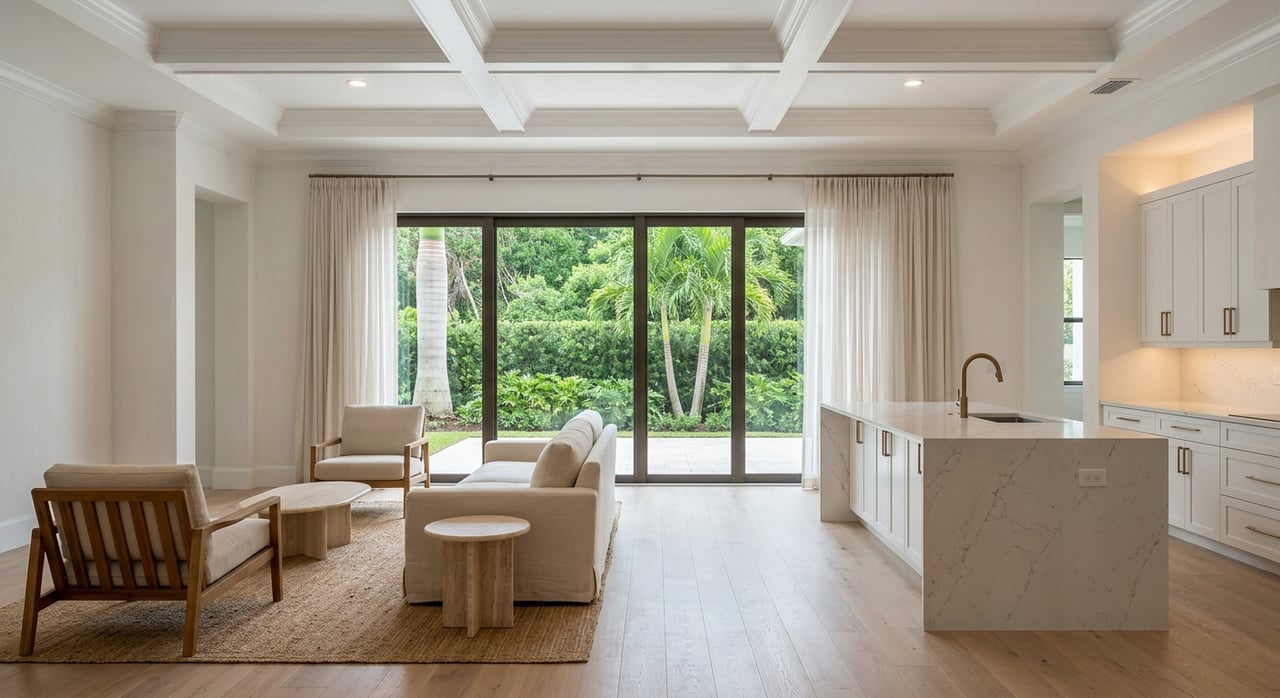
Buying a new construction home in Palm Beach Gardens can feel like the best of both worlds: fresh finishes, modern systems, and the chance to step into a home that has never been lived in. It can also come with more moving parts than many buyers expect, especially in a market shaped by phased communities, HOA structures, city approvals, and future development. If you want to make a smart, confident decision, you need to evaluate more than the model home. Let’s dive in.
Why Palm Beach Gardens Needs a Closer Look
Palm Beach Gardens has an active development pipeline, with projects moving through under review, approved, and under construction stages. The city’s Planning Division is involved from early development review through City Council approval and also participates in the building permit and certificate-of-occupancy process. That matters because your home purchase may be tied not just to a finished house, but to a larger development story still taking shape.
The local market includes both large planned communities and parcel-specific redevelopment opportunities. Approved city project lists include activity tied to Avenir, Downtown Palm Beach Gardens redevelopment, and residential projects such as Hilltop Gardens, Essex at Avenir, and Coconut Palm Plaza. In practical terms, you may be comparing a home in a fully established setting with one in a newer phase where roads, landscaping, or amenities are still evolving.
Master-Planned vs. Smaller Projects
A master-planned community and a stand-alone new build can offer very different ownership experiences. Avenir, for example, is a large 4,752-acre community with ongoing pod development and mixed-use zoning activity. That means some buyers are evaluating homes alongside future phases, future amenities, and long-term community buildout.
With a parcel-specific project, the focus may be narrower. You may have fewer layers of association structure or fewer unknowns about what is still coming. On the other hand, smaller projects may offer less amenity depth or less visibility into long-term neighborhood changes.
Start With the Builder’s Paper Trail
One of the most useful ways to evaluate new construction in Palm Beach Gardens is to review the municipal record. Florida law requires permits before construction, alteration, or demolition, and it requires plan review for code compliance before a permit is issued. Local enforcement agencies must also post permit applications and status information online, and Palm Beach Gardens maintains permit status access through its Building Division.
For you, that means permit history, inspection status, and certificate-of-occupancy records can offer a practical window into how the project has moved through the city process. A clean, organized record does not guarantee perfection, but it can show whether the builder has been orderly and consistent in meeting local requirements.
Records Worth Reviewing
When evaluating a builder or a specific home, pay close attention to:
- Permit applications and status
- Inspection history
- Certificate-of-occupancy status
- Whether phases or lots are still under active construction
- Any development-review context that affects the home or community
This step is especially important in communities that are still growing. If a neighborhood is being built in phases, your day-one ownership experience may look different from what the final community will be years later.
Look Beyond the Model Home
A beautifully staged model can make any new build feel flawless. Still, the systems and site conditions behind the finishes matter just as much as the cabinetry, flooring, or lighting package. In Florida, a home inspection is defined as a limited visual examination of readily accessible systems and components, and the inspector must provide a written report identifying significant deficiencies, items near the end of service life, and items present but not inspected.
Florida also requires the inspector to provide a copy of their license and a written disclosure of the inspection scope and exclusions before the inspection begins. State rules do not require the inspector to estimate repair costs. So while an inspection is valuable, you should view it as a snapshot of visible conditions, not a full substitute for code enforcement or more specialized review.
What to Focus on in a New Build
In Palm Beach Gardens, the most important physical items to review include:
- Roof
- Windows and doors
- Plumbing
- Electrical
- HVAC
- Exterior finishes
- Site conditions and drainage
These items sit at the center of both Florida’s inspection framework and the city’s permitting process. They also influence long-term performance, maintenance needs, and your comfort once you move in.
Think Ahead About Future Changes
One of the biggest mistakes buyers make with new construction is assuming a home will be easy to customize later. In Palm Beach Gardens, many common improvements are permit-driven, including additions, enclosures, exterior modifications, fences, generators, opening protection, pools, re-roofs, and solar. That means your home may feel flexible in theory but still be limited by city rules, lot layout, engineering constraints, or association approvals.
Before you buy, consider how the property will work not just today, but several years from now. If you think you may want to add a pool, install a generator, change exterior features, or make other upgrades, it is smart to evaluate those possibilities early.
Questions to Ask Before Closing
Use this checklist when you are considering future improvements:
- Does the declaration or governing document allow the change?
- Will the city require a permit for the work?
- Does the lot layout leave enough room?
- Are there engineering, drainage, or setback limits?
- Will HOA approval be required before city approval?
These questions can save you from buying a home that fits your short-term needs but limits your long-term plans.
Read the Warranty With Care
Florida now has a mandatory builder warranty for newly constructed homes effective July 1, 2025. Under the statute, the builder must warrant a newly constructed home for one year against construction defects in equipment, material, or workmanship that create a material Florida Building Code violation. Appliances covered by manufacturer warranties are excluded, and the statutory warranty does not cover ordinary wear, normal settling, owner-caused defects, or damage from events outside the builder’s control.
That is a useful protection, but it is also a limited one. Builders may offer a longer express written warranty, and if they do, you should read the scope, exclusions, and transfer rules carefully. You should also ask how punch-list items are handled and what the process looks like for post-closing claims.
Why Warranty Details Matter in Phased Communities
In a phased development, the community around you may still be changing after your closing date. Cosmetic issues, landscaping, drainage, and amenity completion can continue to evolve while later phases are delivered. That makes it especially important to understand exactly what the builder will address, how claims are submitted, and whether any warranty rights transfer if you sell.
Study the HOA and Any CDD
In Palm Beach Gardens, association review is not a side issue. It is central to evaluating a new construction purchase. Florida law requires HOA governing documents to be recorded in county official records, and associations must maintain official records including plans, specifications, permits, and warranties for at least seven years.
Owners are also entitled to inspect those records, and associations must provide annual budgets and financial reports. HOA budgets must separately list fees or charges paid for recreational amenities, even if those amenities are owned by the developer or another party. This gives you a clearer picture of what you are paying for and how the community is being managed.
Why Reserves Deserve Attention
Reserve funding can shape your real carrying costs over time. Under Florida’s HOA law, reserve accounts may be included in the budget for capital expenditures and deferred maintenance, but developer-controlled HOAs may choose whether to include reserves. In plain terms, a newer community with low dues today may still face higher costs later if reserves are limited and future needs are not fully funded.
If you are buying a condominium, reserve rules can be even more important. Florida law requires a structural integrity reserve study at least every 10 years after creation for residential condominium associations with buildings that are three habitable stories or higher. The study covers major components such as the roof, structure, fire protection systems, plumbing, electrical systems, waterproofing, exterior painting, windows, and exterior doors, plus certain large deferred-maintenance items.
Don’t Overlook CDD Assessments
Some master-planned communities may include a community development district in addition to the HOA. Avenir’s CDD states that property owners are subject to annual operation-and-maintenance and debt-service assessments collected on the tax bill. For you, that means the total cost of ownership may include HOA dues, CDD assessments, and later special assessments if the community needs them.
When you compare homes, look at the full monthly and annual carrying cost, not just the base purchase price. In many cases, the right comparison is between total ownership structures, not just between floor plans.
Compare the Whole Ownership Picture
The strongest new construction decisions usually come from looking at the home, the builder, and the community as one package. In Palm Beach Gardens, that matters even more because so many purchases involve planned communities, recorded restrictions, and future buildout. A beautiful home can still be the wrong fit if the association structure, reserve posture, or future improvement limits do not align with how you plan to live.
A careful review can help you avoid surprises and buy with more clarity. When you evaluate permit history, inspection scope, warranty coverage, association documents, and layered costs together, you are in a much better position to choose a property that supports both your lifestyle and your long-term ownership goals.
If you want expert guidance while evaluating a new construction home in Palm Beach Gardens, Stephanie Schwed offers the kind of construction-aware, detail-driven support that can help you assess both the residence and the ownership structure with confidence.
FAQs
What should you review before buying a new construction home in Palm Beach Gardens?
- Review permit status, inspection history, certificate-of-occupancy status, the builder’s warranty terms, HOA documents, budgets, and any CDD assessments tied to the property.
How important is a home inspection for new construction in Palm Beach Gardens?
- A home inspection is still important because Florida defines it as a limited visual review of accessible systems and components, and the written report can identify significant deficiencies or items that need closer attention.
What does Florida’s new home builder warranty cover?
- For newly constructed homes covered by the statute effective July 1, 2025, the builder must provide a one-year warranty against construction defects in equipment, material, or workmanship that create a material Florida Building Code violation, subject to statutory exclusions.
Why do HOA documents matter for Palm Beach Gardens new construction homes?
- HOA documents can affect your rules, budgets, reserve funding, access to records, amenity costs, and whether future changes to the property will be allowed.
What is a CDD in a Palm Beach Gardens master-planned community?
- A CDD is a community development district that may levy annual operation-and-maintenance and debt-service assessments, often collected on the property tax bill in addition to HOA dues.
Can you add upgrades later to a new construction home in Palm Beach Gardens?
- Often yes, but many upgrades such as pools, fences, generators, exterior changes, solar, and additions may require city permits and association approval, so it is smart to verify those limits before you buy.