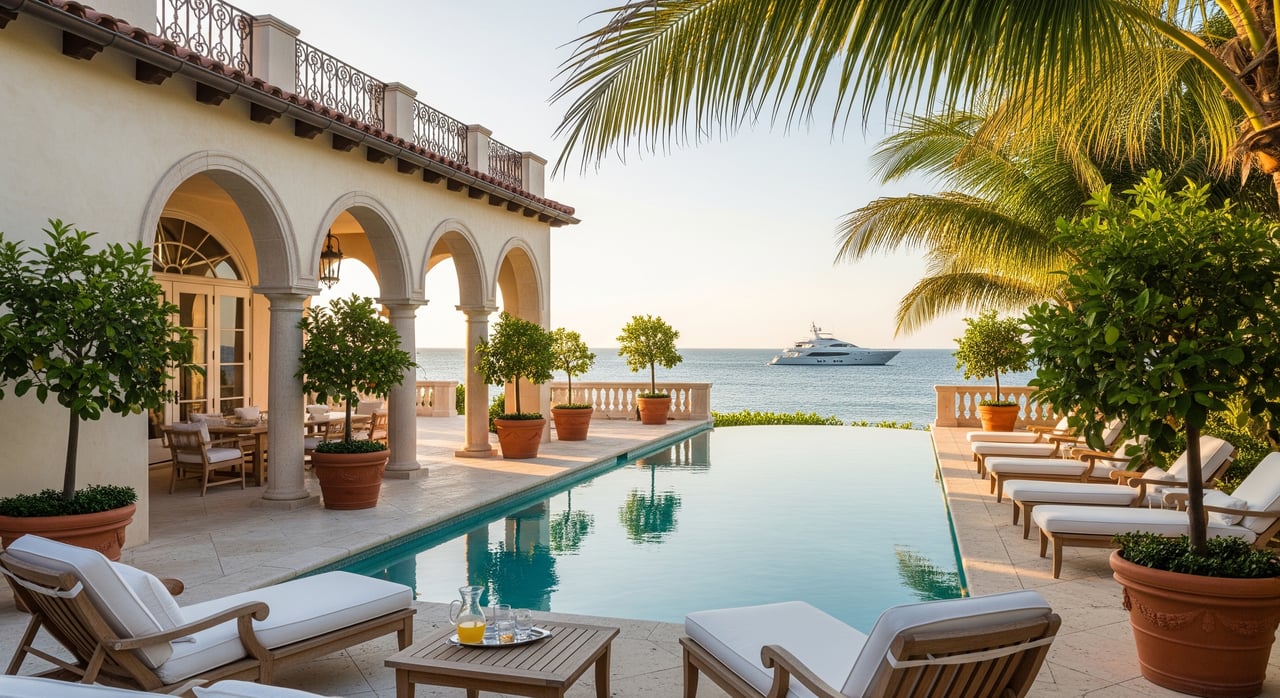
What does a typical day feel like on Palm Beach Island? If you’re picturing sunrise beach walks, polished service, and a calendar that hums from November to April, you’re close. The island blends quiet luxury with a club-centered social scene and easy access to mainland conveniences. In this guide, you’ll see how daily life flows, where you’ll spend your time, and what to expect from costs, rules, and seasons. Let’s dive in.
Island layout and daily rhythm
Palm Beach is a barrier island east of West Palm Beach, connected by bridges that make trips to and from the mainland simple by car. Life clusters around a few areas: the Worth Avenue commercial district, the South End near golf and beach clubs, oceanfront stretches, and the quieter north shore. You’ll notice a mix of narrow historic blocks near Worth Avenue and larger estate parcels along the ocean and Intracoastal.
The town’s architectural character is refined and well protected. Strict design review and historic-preservation standards shape renovations and new construction. If you plan updates, budget extra time for permitting and approvals.
Beaches and water life
The beach is part of the daily routine for many residents. You’ll find public access points along the Atlantic, along with stretches that are primarily used by private club members and nearby estates. The culture is relaxed and polished, especially during the winter season.
On the Intracoastal and offshore, boating is a major draw. Yachting, private docks, fishing, and marina services anchor many weekends and holidays. Routine maintenance, charters, and dock management are part of the lifestyle for boat owners.
Golf, tennis, and equestrian access
You’re close to world-class golf and tennis, both on the island and across nearby mainland clubs. If equestrian sports are a priority, top-tier polo and competition are centered in Wellington during the season. Many residents split time between the island and Wellington when the calendar peaks.
Dining, nightlife, and everyday services
Expect high-end dining with a focus on seafood, resort restaurants, and specialty cafés. Hours and offerings often expand in the winter, then scale back in the summer. Evenings tend to center on private clubs, hotel lounges, and invitation-only events rather than a late-night district.
Daily essentials are easy but selective on-island. Boutique grocers and specialty shops cover basics, while larger supermarkets, medical specialists, and big-box retailers are on the mainland a short drive away. Many households also rely on private chefs, gardeners, and concierge-type services, especially in high season.
Shopping, arts, and culture
Worth Avenue is the island’s luxury shopping corridor and a social anchor most days of the week. You also have cultural fixtures such as the Society of the Four Arts and the Flagler Museum on the island. Just across the bridges, downtown West Palm Beach adds museum and performing arts options, and the broader region hosts seasonal art shows and philanthropic galas.
Club culture and social norms
A pronounced private-club culture shapes the social scene. Membership often governs access to dining rooms, social events, fitness, and beach amenities. You’ll find a shared expectation of discretion and privacy, and many households prioritize security and low-profile routines.
Getting around and access
The central commercial strip and beachfront are walkable, and cycling can be pleasant if you’re comfortable with heat and seasonal traffic. For most errands, you’ll likely use a car, especially for mainland services. Parking can be limited in high-demand areas during peak months, and you’ll see valet at hotels and clubs.
For travel, Palm Beach International Airport in West Palm Beach is the most convenient commercial hub. Miami and Fort Lauderdale are workable for occasional trips, though traffic can extend drive times.
Seasonality and population flow
Palm Beach is a year-round town with a clear seasonal pulse. From November to April, the population and event calendar expand, and restaurants, clubs, and cultural venues are busier. Summer is quieter, and some businesses reduce hours or pause operations until fall.
Service levels track with the season as well. Hospitality staffing, private household staff, and event programming tend to scale up in winter and ease off in the warmer months.
Housing types, costs, and ownership basics
You’ll find a mix of single-family estates, historic mansions, low-rise boutique condos, and townhouses. Oceanfront and Intracoastal parcels command premium pricing, and properties near Worth Avenue also sit at the top of the market. Many homes are second or seasonal residences, so plan for a community that ebbs and flows through the year.
Beyond your purchase price, plan for carrying costs. Property taxes, HOA or club dues, routine maintenance, and household staffing are common line items. If you buy a condominium, review association rules carefully and understand any restrictions or fees that affect renovations or leasing.
Climate risks, resilience, and insurance
Hurricanes, tropical storms, and storm surge are part of barrier-island life. It’s wise to assess FEMA flood zones and elevation for specific properties and to plan for hurricane preparedness. Windstorm and flood insurance can be material costs and vary based on location, elevation, and construction.
Local codes prioritize resilience. Impact-rated windows, elevated finished floors, and structural standards are common, and the permitting process reflects that focus. Renovation or rebuilding can be complex and costly, so align your plans with the town’s rules before you commit.
Regulations, permits, and short-term rentals
Expect strict local ordinances that influence exterior changes, tree removal, and setbacks. Historic-preservation oversight and design review boards play active roles, so timelines can be longer than in less regulated areas. Short-term rental rules vary and are enforced locally, and HOA restrictions can also apply. If you plan to rent your property, verify the current code and association rules first.
Health care, schools, and essential services
Most hospitals and specialty medical practices are on the mainland and are an easy drive from the island. Concierge medicine and private care arrangements are common among residents who prefer streamlined access. For families, private schooling is a frequent choice, with options on and off the island, while public schools are available within the county system.
Utilities are well established. In older properties, you may encounter infrastructure considerations such as pumps or generator needs, which can be solved with proper planning and vendor support.
Is Palm Beach the right fit for you?
If you value privacy, a water-centered lifestyle, and a social calendar that peaks in the winter, the island can be a strong match. You’ll trade convenience for certain luxuries, like boutique shops steps from the beach and polished club experiences, while relying on the mainland for major errands. The main questions are simple:
- Do you plan to engage with private clubs or prefer public cultural events and casual routines?
- Are you comfortable with seasonal rhythms and the quiet summers that follow a busy winter?
- Will you budget for elevated carrying costs, insurance, staffing, and potential renovations within a strict permitting framework?
If that balance aligns with your goals, Palm Beach offers a refined, low-key daily life with quick access to everything you need.
How Stephanie supports your lifestyle
Choosing a home here is about more than the address. It’s about matching your routines, social preferences, and risk tolerance with the right property and ownership plan. With a legal background and hands-on construction experience, Stephanie advises you through due diligence, design review considerations, and insurance planning conversations with your professional team. If you want discretion, she can source off-market opportunities. If you split your time, her property management and renovation oversight help you keep projects and staff on track while you are away.
When you are ready to explore, connect with a trusted advisor who understands the island’s pace and expectations. Let’s connect with Stephanie Schwed to map a plan that fits your life on Palm Beach Island.
FAQs
Is Palm Beach a year-round or seasonal destination?
- It is year-round, but population and events peak from November to April, and summers are quieter with reduced hours at some businesses.
How walkable is Palm Beach Island for daily errands?
- Central areas like Worth Avenue and the beachfront are walkable, but most errands and larger shopping trips typically require a short car ride to the mainland.
Are there public beach access points on the island?
- Yes, there are public access points along the Atlantic, though parking can be limited in high season and some stretches are used by private clubs and nearby estates.
What airports are most convenient for residents?
- Palm Beach International Airport is the most convenient commercial option, with Miami and Fort Lauderdale workable for occasional trips depending on traffic.
Do I need to join a private club to have a social life?
- Many social circles revolve around private clubs, but you can also enjoy public cultural events, museum programs, and philanthropic gatherings that do not require membership.
What daily conveniences are not on the island?
- Large supermarkets, many medical specialists, and big-box retailers are primarily on the mainland, which is a short drive over the bridges.
How significant are hurricane and flood risks on Palm Beach?
- Exposure is real and should be part of your planning; review flood zones and elevation for each property and budget for windstorm and flood insurance.
What should I know about renovations and permitting?
- The town enforces strict design and historic-preservation standards; expect detailed reviews and longer timelines for exterior changes and additions.
What ongoing costs should I plan for beyond the purchase price?
- Property taxes, HOA or club dues, maintenance, insurance, and household staffing are common carrying costs, with premiums varying by property and location.