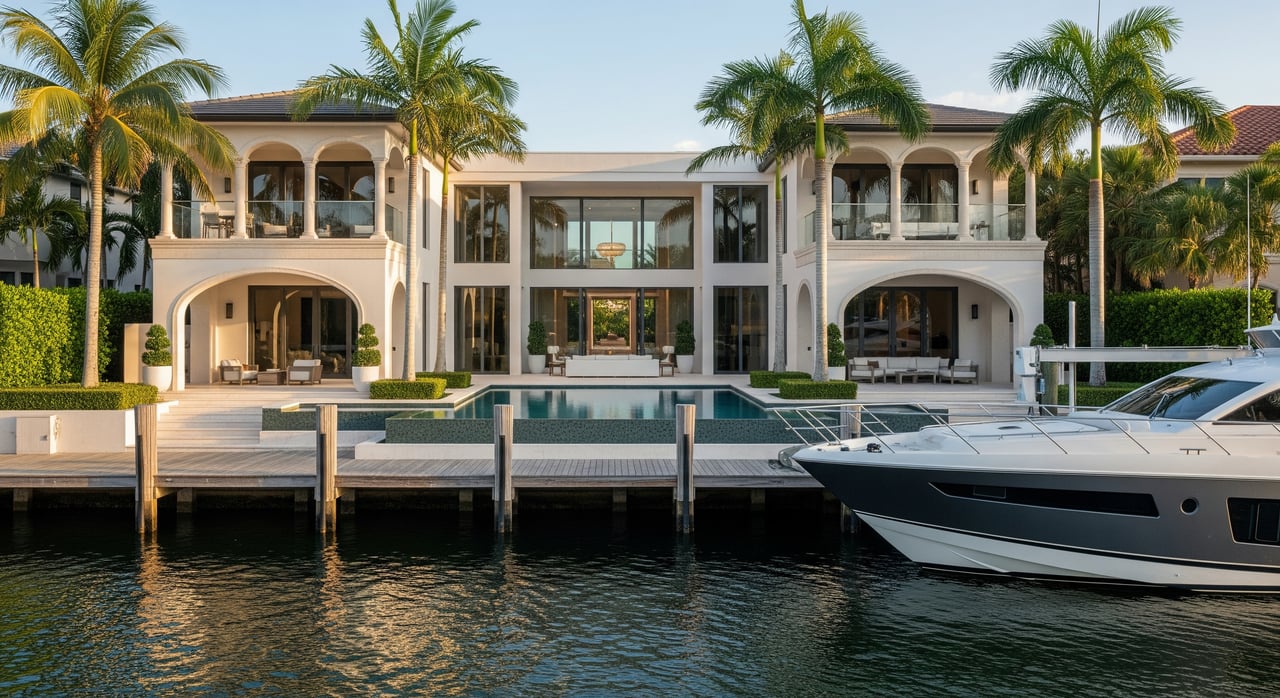
Shopping for a Boca Raton home that sits above typical price points? If so, you are likely looking at a jumbo mortgage. In our coastal luxury market, many waterfront homes and high-end condos exceed standard lending caps, which means the financing works a little differently. In this guide, you will learn what sets jumbo loans apart, how condo and insurance rules affect your approval, and the exact steps that help you close with confidence. Let’s dive in.
Jumbo loan basics in 2024
A jumbo mortgage is any home loan that exceeds the conforming loan limit set by the Federal Housing Finance Agency. For 2024, the baseline single-family conforming loan limit in most counties is $766,550. If your loan amount is above that figure, it is considered a jumbo loan. You can review the latest thresholds on the FHFA conforming loan limits page.
Jumbo loans are not eligible for purchase by Fannie Mae or Freddie Mac. Because of that, lenders often set stricter standards. You will typically see higher credit score expectations, larger down payments, more detailed documentation, and stronger cash reserve requirements. Interest rates can be higher, comparable, or even lower than conforming loans depending on market conditions and your profile. The CFPB’s consumer guidance is a helpful starting point when you compare offers.
Why jumbos are common in Boca Raton
Boca Raton has many luxury homes, waterfront estates, and high-end condos. It is common for list prices in these segments to exceed the FHFA limit, so jumbo financing is part of many transactions. In the condo market, lenders will pay close attention to association health, insurance, and any special assessments, which can influence both eligibility and pricing.
If you expect to finance an oceanfront or Intracoastal condo, plan ahead. Association documents, building age, and recent repairs can all affect underwriting. Being proactive with documentation helps you keep the process on track.
What lenders look for on jumbo loans
Credit scores and debt-to-income
Jumbo programs often prefer 700 to 740+ credit scores. You may see better pricing and broader options at 740 and above. Common maximum debt-to-income ratios run from the mid 40 percent range up to around 50 percent with strong compensating factors like low other debts or significant reserves.
Down payment and LTV expectations
Many jumbo loans are structured at 80 percent loan-to-value with 20 percent down. Some lenders will permit higher LTVs, such as 90 percent, for well-qualified borrowers or through portfolio products. Higher LTVs usually come with tighter guidelines and higher costs.
Cash reserves and asset documentation
Expect to document strong liquid reserves. For jumbo loans, 6 to 12 months of total housing payments is common, and more may be required for complex scenarios or investment properties. Be ready with bank statements, retirement account snapshots, and full tax returns if you are self-employed. Large deposits and non-payroll transfers will need explanations.
Appraisals in coastal luxury markets
Valuation for unique homes
High-end and waterfront properties are not easy to value. Comparable sales can be limited, finishes vary, and lot orientation or water access can influence price. Lenders often require a full interior and exterior appraisal and may order a second opinion or a desk review for very unique homes.
Timeline and expectations
Because valuation is more involved, jumbo appraisals can take longer than conforming ones. Build extra time into your contract for appraisal, especially if your property is custom, newly renovated, or lacks recent comparable sales nearby.
Condo and HOA review in Boca Raton
Condo lending involves the association’s financial health and risk profile. Expect your lender to request:
- A completed condominium questionnaire
- Recent meeting minutes and any notices on assessments
- Audited financial statements and reserve details
- Insurance certificates, including wind and flood where required
- Information on owner-occupancy, delinquencies, and litigation status
Post-incident scrutiny means many jumbo lenders apply tighter condo eligibility standards. Get the documents early, review them for issues, and share them with your lender quickly. This keeps the file moving and helps avoid last-minute surprises.
Flood zones and insurance in Palm Beach County
Boca Raton includes areas with coastal and flood exposure. Lenders use FEMA Flood Insurance Rate Maps to determine whether a property sits in a Special Flood Hazard Area. If it does, flood insurance is required. You can check a property’s status on the FEMA Flood Map Service Center and learn more about federal flood resources at FEMA.gov.
Florida’s homeowners insurance market has experienced volatility in pricing and availability. Some buyers may need dedicated wind or hurricane coverage, and certain scenarios may involve the state’s residual market. For current consumer guidance and market updates, visit the Florida Office of Insurance Regulation. Build realistic insurance quotes into your affordability plan early. Premiums can affect your debt-to-income and your required cash reserves.
Property taxes and closing costs
Palm Beach County property taxes, HOA dues, and insurance flow into your monthly payment and your lender’s DTI calculation. Closing costs in Florida typically include documentary stamp taxes, recording fees, title insurance, and prepaid insurance and taxes. You can research parcel information and tax history through the Palm Beach County Property Appraiser. Make sure your lender’s loan estimate reflects realistic insurance and tax figures so your cash-to-close and reserve requirements are accurate.
Your step-by-step jumbo plan
Use this checklist to move from offer to clear to close with fewer surprises.
Confirm the loan size. Check the current conforming loan limit for your county on the FHFA site. Anything above that threshold is a jumbo loan.
Choose a lender with jumbo experience. Ask about typical down payments, minimum credit scores, reserve expectations, condo underwriting workflows, and whether they offer portfolio or non-QM options when needed. The CFPB’s consumer resources can help you compare.
Price insurance early. Verify flood zone status on the FEMA map center and request quotes for homeowners, wind or hurricane, and flood insurance. The Florida OIR provides market context and consumer tools.
Gather documents. Be ready with two years of tax returns, W-2s or 1099s, recent pay stubs, two months of asset statements, and explanations for large deposits. Self-employed buyers should prepare full returns and year-to-date financials.
If buying a condo, assemble HOA docs. Request the condo questionnaire, most recent audited financials, current budget and reserve schedule, insurance certificates, occupancy data, and any litigation or special assessment notices.
Plan for appraisal timing. Ask your agent and lender about realistic appraisal timelines in your submarket. For unique or waterfront properties, expect the potential for a second appraisal or review.
Compare structures and rates. Some local banks offer portfolio jumbos with flexible terms, while national lenders may price aggressively for certain profiles. Rate and fee differences change over time, so look at total cost of financing.
Keep reserves liquid. Do not move large sums or make new credit purchases before closing. Your lender may re-verify assets and debt.
Tips for sellers when buyers use jumbo financing
- Understand the buyer pool. Pricing above the conforming limit narrows financing options, so prioritize qualified jumbo buyers and pre-approval letters.
- For condos, keep association records ready. Clean, complete financials and insurance documentation reduce friction and protect your deal timeline.
- Be transparent about condition. Provide recent inspections and disclosures about roof, systems, flood status, and major repairs. Strong documentation supports appraisal and underwriting.
Work with a local, detail-driven advisor
Jumbo financing rewards preparation. When you align lender expectations, insurance realities, and condo or HOA details from the start, you shorten timelines and protect your negotiating position. With the right plan, you can secure the Boca Raton property that fits your lifestyle and investment goals.
Have questions about financing strategy, valuation nuances, or association documentation on a specific property? Let’s talk about your goals and create a custom path to closing. Unknown Company | Let’s Connect.
FAQs
What is a jumbo loan for Boca Raton buyers?
- It is any mortgage that exceeds the FHFA conforming loan limit for the county. For 2024, the baseline limit is $766,550 in most counties. Check the latest figures on the FHFA site.
Are jumbo mortgage rates always higher than conforming?
- Not always. Rates can be higher, similar, or even lower depending on market conditions, lender risk appetite, and your credit profile. Compare multiple lenders and programs.
How much down payment do I need for a jumbo loan?
- Many programs expect 20 percent down for 80 percent LTV. Some options allow higher LTVs for well-qualified buyers, often with stricter requirements and pricing.
Can I use a jumbo loan to buy a Boca Raton condo?
- Yes, if the condo association meets lender standards. Expect a review of financials, reserves, insurance, occupancy, and any litigation or special assessments.
What insurance issues should I plan for in Palm Beach County?
- Flood and wind or hurricane coverage can be significant and may be required. Verify flood status with the FEMA map tool and review market guidance from the Florida OIR.