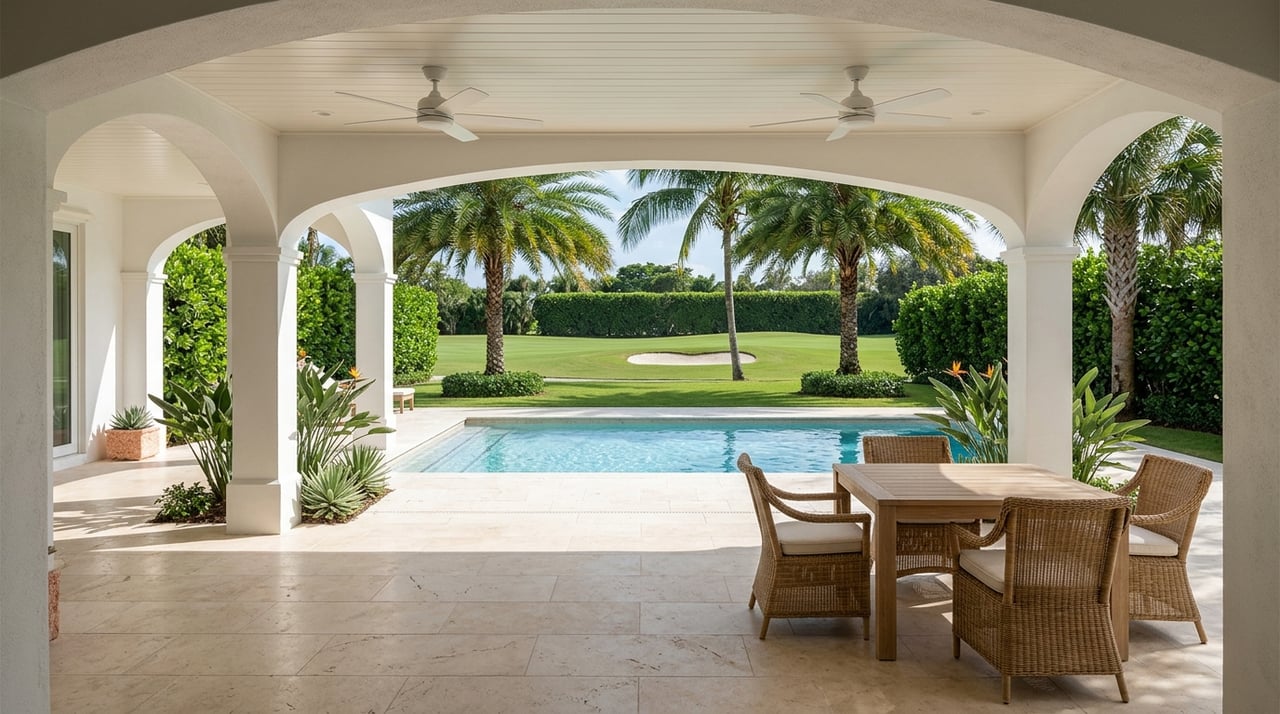
Picture an early tee time, courts buzzing by mid‑morning, and a sunset dinner on the clubhouse terrace. If you are eyeing Palm Beach Gardens, you are likely drawn to its golf-first, resort-level rhythm. You want a clear picture of daily life, which clubs fit your style, and what to know before you buy. This guide breaks down the lifestyle, the seasonality, membership basics, and the club communities that define Palm Beach Gardens. Let’s dive in.
Why Palm Beach Gardens
Palm Beach Gardens is an upper‑income city in northern Palm Beach County with a population near 60,000 and a median household income around $110,000, according to U.S. Census QuickFacts. Census QuickFacts confirms the city’s profile. The area sits within the broader Palm Beach luxury corridor yet keeps a distinctly golf‑centric identity.
On housing, recent market snapshots show a typical home value in the city near the high‑$600,000s. Within gated club communities, prices trend much higher, reflecting golf frontage, amenity access, and newer construction in select enclaves. If you are comparing clubs, expect each neighborhood to have its own pricing signal tied to course pedigree, membership structure, and home age.
What club life looks like
Golf at the core
Championship golf anchors the local culture. PGA National Resort and Members Club hosts the PGA TOUR stop in late winter or early spring, which brings national attention and a surge of activity across the city. The complex blends resort access with private membership, multiple courses, a large practice footprint, and on‑site dining. You can explore amenities on the PGA National site.
Racquets rising: tennis and pickleball
Most clubs have expanded racquet sports quickly. That means dedicated tennis centers, growing pickleball courts, adult clinics, junior programs, and social ladders that keep the courts active year‑round. For a representative look at how integrated racquets programming has become, review the BallenIsles Country Club membership and sports overview.
Wellness and aquatics
Beyond golf and courts, expect robust wellness centers with group classes, personal training, golf‑specific conditioning, and full‑service spas. Lap pools and family pools are common, so you can set a daily routine around a morning workout, a steam or massage, and an afternoon swim. PGA National highlights this resort‑level approach on its amenities pages.
Dining and the social calendar
Clubs typically offer tiered dining, from poolside bites to fine dining rooms, with member events that run strongest from November to April. Wine dinners, holiday parties, and theme nights fill the calendar in season. County‑wide events, including the PGA TOUR week, polo season, and the boat show, amplify the social buzz. Browse the regional calendar on The Palm Beaches to see how club life aligns with signature events.
Families and schools
If you are moving with children, many club communities provide kids’ clubs, junior golf and tennis academies, camps, and supervised activities during peak months. These programs make it easier to blend active play with adult time at the club. For example, Frenchman’s Reserve highlights family‑forward amenities and programs. Nearby public and private school options are part of the draw for younger buyers; use neutral school data sources and visit campuses to evaluate fit.
Seasonality and rhythm
You will feel a clear seasonal pattern. Many clubs describe October through May as the busiest stretch, with fuller tee sheets, packed event calendars, and visiting friends and family. Summers are quieter and more relaxed. A club‑management profile tied to Old Palm notes the emphasis on the winter‑spring season and member‑experience planning around it. You can review that context in this club leadership document.
Signature clubs at a glance
PGA National Resort & Members Club
A destination in its own right, PGA National blends a resort experience with private membership. Multiple courses and the TOUR‑tested Champion Course, a large spa and wellness hub, racquets, and a range of restaurants set a lively tone. Tournament week is a city‑wide moment and showcases why golf anchors the lifestyle here. Learn more on the PGA National site.
BallenIsles Country Club
This member‑owned residential club sits in the heart of Palm Beach Gardens and is known for championship golf, a major racquets and sports complex, and a large clubhouse. Homeownership is closely tied to membership tiers, creating a true live‑play environment. See the BallenIsles membership overview for how tiers map to amenities.
The Country Club at Mirasol
Mirasol is a large gated community with two championship courses, an expansive sports and fitness complex, and an active family calendar. The club has pursued a multi‑year facilities refresh. Historically, equity membership has been required with most home purchases. Explore current category details at Mirasol.
Old Palm Golf Club
Old Palm is a boutique, high‑end private club centered on a Raymond Floyd design with an emphasis on privacy and a capped membership. The lifestyle center, practice facilities, and service standards appeal to buyers who want exclusivity and a low‑density feel. For verified background and membership‑model notes, review the Old Palm leadership profile.
Frenchman’s Reserve
With an Arnold Palmer signature course, a spacious clubhouse, and strong tennis and family programming, Frenchman’s Reserve delivers a full‑service private club feel within Palm Beach Gardens. Visit Frenchman’s Reserve for amenity highlights.
Membership models to know
Understanding membership is essential before you compare homes inside the gates.
- Equity vs. non‑equity: Equity memberships include an ownership component and are common in clubs that link membership to home purchase. Non‑equity or resort/social memberships charge fees without a share interest. Details, transfer rules, and pricing vary by club. BallenIsles provides a clear example of tiering in its membership info.
- Mandatory vs. optional: Some communities require a club membership when you buy a home. Mirasol is a well‑known example of an integrated, equity‑based model. In contrast, neighborhoods around PGA National often allow homeownership without a mandatory club purchase. Always confirm in HOA or POA documents and MLS notes. You can check current categories with Mirasol.
Budgeting for club life
Costs vary widely and change often. Plan for:
- Initiation fee and ongoing dues tied to your category.
- Periodic capital or special assessments.
- Food and beverage minimums.
- HOA or POA fees for the community.
- Property taxes and insurance that reflect luxury lots and construction.
Some clubs publish sample figures and ranges in their materials. Treat any public number as illustrative and confirm current pricing with the membership office before you buy.
Home types and value signals
Palm Beach Gardens offers everything from townhomes and villas near resort courses to estate properties in boutique, low‑density clubs. Citywide, the typical home value sits around the high‑$600,000s. In club communities like Mirasol, BallenIsles, and Old Palm, you will see values well above the city average. Expect pricing to track with the course, membership rules, lot position, and renovation level. Use neighborhood filters when you review listings so you compare like with like inside each gate.
How to choose your fit
Use this simple checklist to narrow your options:
- Golf profile: How important are member caps, tournament pedigree, practice facilities, and pace‑of‑play standards?
- Racquets and courts: Do you want dedicated pickleball programming, year‑round ladders, and clinics for adults and juniors?
- Wellness and spa: Do you prefer a large fitness footprint with aquatics, recovery, and trainers on staff?
- Social energy: Are you seeking a lively winter season with frequent events or a quieter, privacy‑first culture?
- Family programming: Do you want kids’ clubs, camps, and junior academies built into daily life?
- Membership rules: Is membership mandatory with your home type, and does the category match how you plan to use the club?
- Renovation scope: Are you open to upgrading a home to capture course views or modernize finishes?
- Ownership support: If you are seasonal, will you need property management and trusted vendor oversight?
Timing your move
High season runs roughly October through May. That window brings the most events, the PGA TOUR week, and the fullest club calendars. You will experience the community at peak energy, though showings and dining reservations can be busier. Off‑season months are ideal for longer course time, easier court bookings, and contractor access if you plan updates. To align with county‑wide happenings, keep an eye on The Palm Beaches event calendar.
Your next step
Choosing the right club is part lifestyle, part membership structure, and part real estate strategy. You deserve clear advice on covenants, fees, and long‑term ownership planning, plus access to both on‑market and discreet opportunities. If you want a guided, end‑to‑end search with legal‑minded contract review, construction and renovation oversight, and property management for seasonal ownership, connect with Stephanie Schwed.
FAQs
What is the Palm Beach Gardens country‑club lifestyle like?
- It blends championship golf, active racquet programs, wellness centers, and tiered dining with a busy winter social season and a relaxed off‑season rhythm.
Is club membership required when buying in Palm Beach Gardens communities?
- It depends on the community and home type; some clubs, such as Mirasol, often require equity membership, while properties around PGA National may not require membership.
When is the busiest season inside Palm Beach Gardens clubs?
- Most clubs see peak activity from late fall through spring, with October to May often described as the busiest months and tournament week adding extra buzz.
How family‑friendly are Palm Beach Gardens country clubs?
- Many clubs offer kids’ clubs, junior golf and tennis, camps, and supervised activities, which makes it easier for families to plug into daily club life.
Can you use club facilities without being a member in Palm Beach Gardens?
- Some resort‑oriented clubs sell seasonal or social memberships and allow limited guest access; true private equity clubs generally require membership or a member host.